Folding Screen with Design of the Scenes from the Tale of Genji
- Home
- Our collection
- folding screen
- Folding Screen with Design of the Scenes from the Tale of Genji
Folding Screen with Design of the Scenes from the Tale of Genji
Enlarge image by clicking on the thumbnail.






| IItem No. | |
|---|---|
| Title | Folding Screen with Design of the Scenes from the Tale of Genji |
| Overall size | |
| Artwork size | |
| Artist | |
| Date Created | Edo period |
| Price | Contact us. |
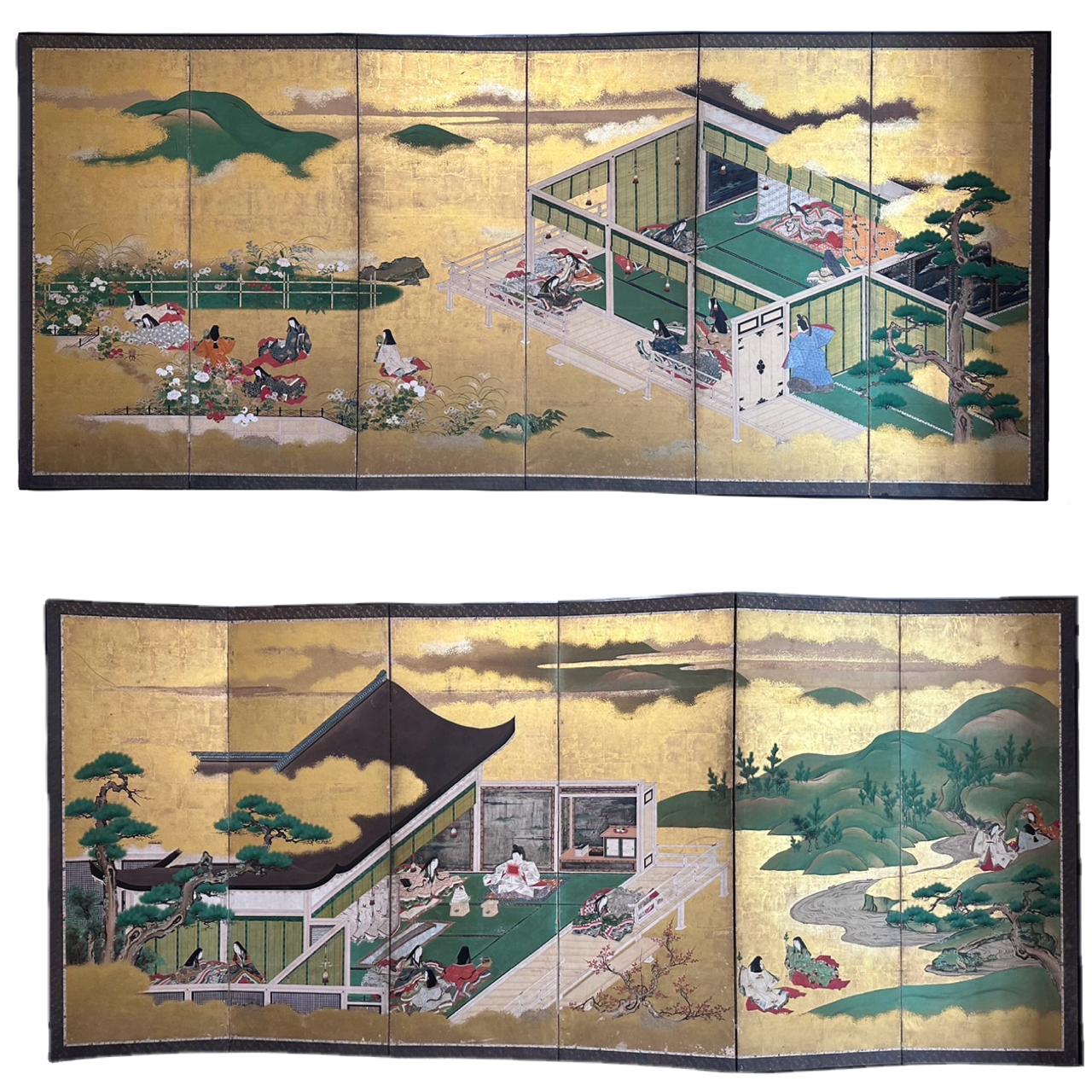
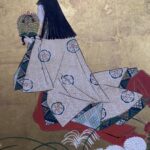
Paintings based on “The Tale of Genji” are called Genji-e, and were first produced soon after the original text was written.The Tale of Genji” was painted extensively throughout the medieval and early modern periods, and can be considered a universal theme in Yamato-e.
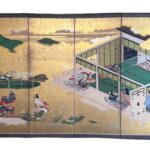
The theme of the right screen is “Hatsune,” the 23rd chapter, a New Year’s episode in the life of 36-year-old Hikaru Genji.
In the New Year, Hikaru Genji visits Rokujoin Temple to visit the Princess of Akashi. The festive atmosphere of the scene depicts the wives celebrating the New Year in their own ways: one makes a Kagamimochi, another pulls a twig from a pine tree to wish for a long life.
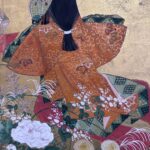
The scene depicted on the left screen is from the 28th chapter, “Nowaki ”.The morning after a violent typhoon(Nowaki)blew through the capital, Prince Hikaru Genji, accompanied by his son Yugiri, went to Rokujo-in Temple to visit Empress Akikonomu.
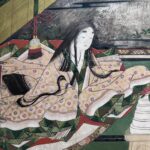
The right half of the screen depicts lady Murasaki’s apartment with the curtain up. In the center of the second fan, Yugiri catches a glimpse of the apartment through a gap in the curtain. This is the first time Yugiri sees lady Murasaki and is disturbed by her beautiful face.
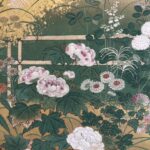
On the other hand, the left half of the painting depicts a garden scene at the palace of Empress Akikonomu. The scene of children playing in the garden with autumn grasses in full bloom is quite lovely.
The detailed depiction of the four seasons is one of the charms of “The Tale of Genji”.The composition of this folding screen, which combines the spring and autumn seasons of the same year, conveys this charm to the fullest.
Although the artist is not known, the delicate and graceful brushwork is reminiscent of the Tosa school. The luster of the scattered gold clouds, the delicate depiction of scenery, and the graceful appearance of the characters invite viewers to enter the world of the court, a world they have longed to visit.
As an antique, it may have some scratches or blemishes. We recommend that you visit our store to check the condition.
If you wish, we will send you detailed photos of the item, so please feel free to contact us.